
Need help choosing a Telescope?
Note: this page is not sponsored by any manufacturers. However, some links are affiliate links for retailers like Amazon and All-Star Telescope.
Best Stargazing Telescopes for Under $500
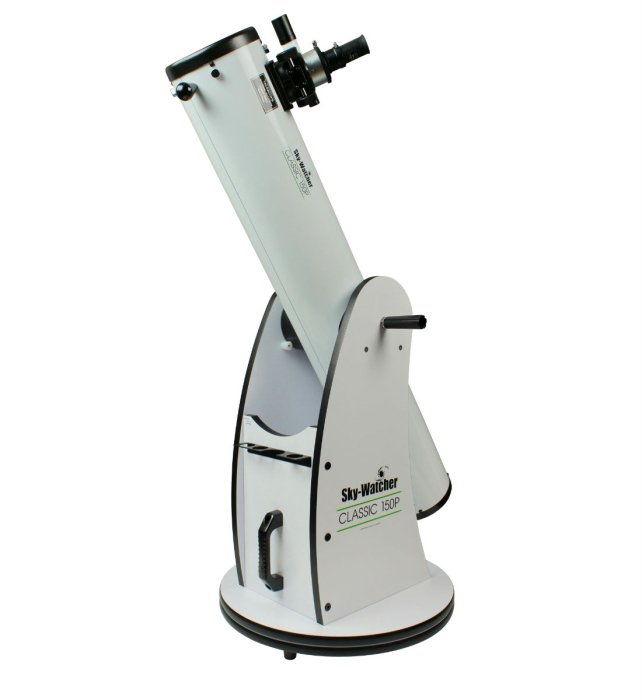
6 Inch Dobsonian
-
Super Easy to Use
Great for Kids and Adults
Parabolic Mirror
1200mm Focal Length for VERY Chrisp Views
-
Heavy
Not recommended for photography
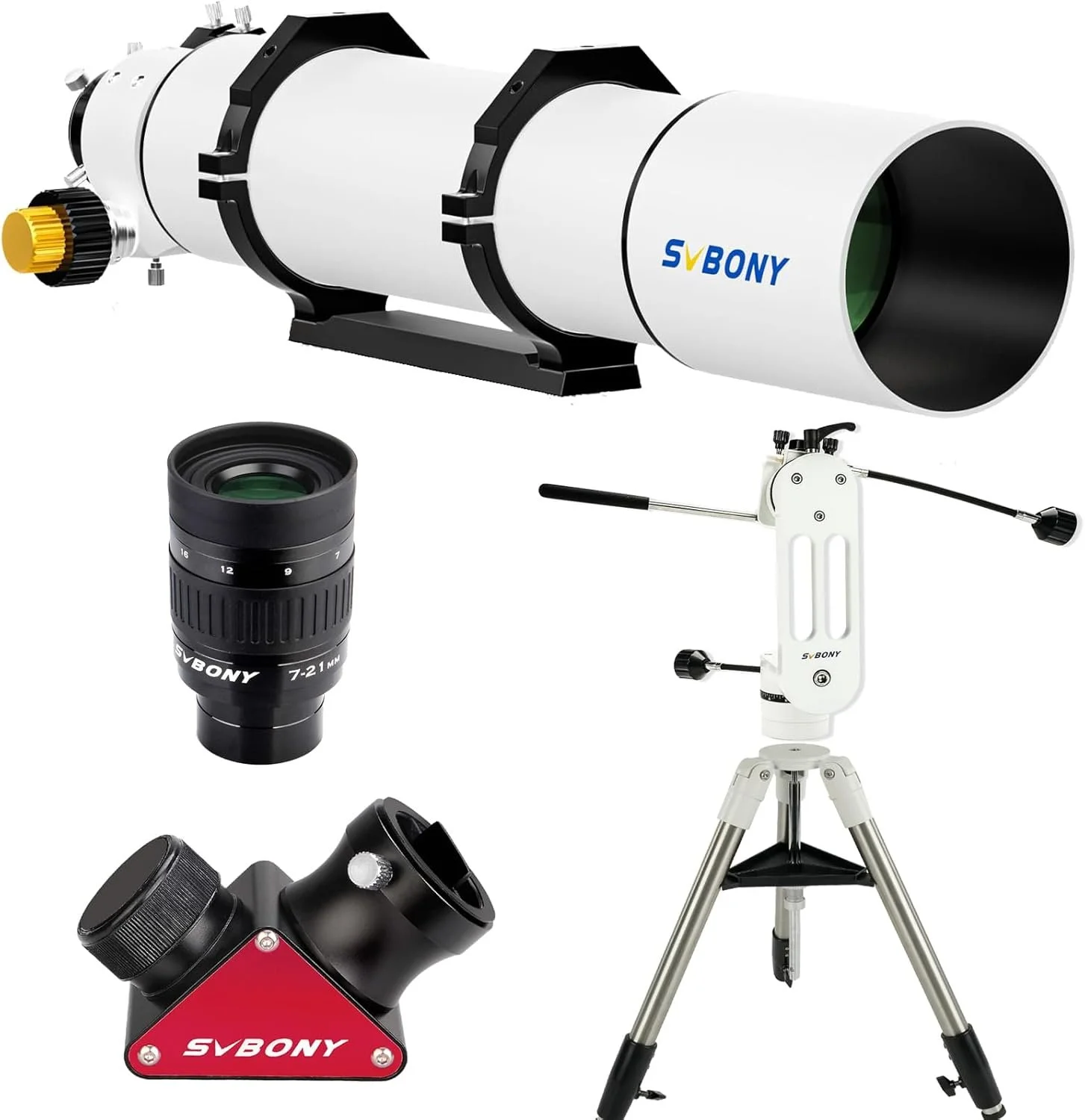
102mm Refractor (Premium Package)
-
Great “Grab & Go” Setup
Exceptional Contrast on Deep Sky Objects
Lifetime Quality
NOT A TOY
-
FInder Extra
May need to purchase parts separately if package unavailable.
Pair it with our new book
The Ultimate Beginner Telescope Guidebook
Kid’s telescopes around $200
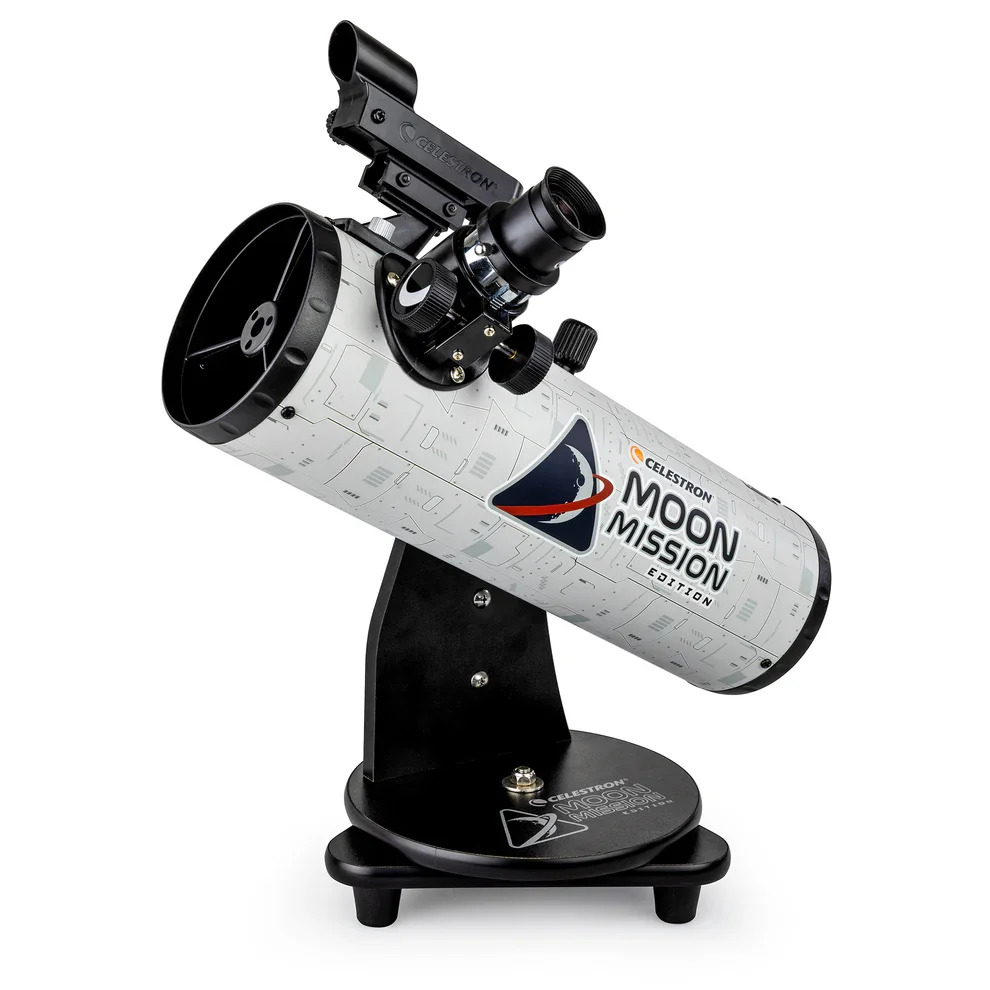
Celestron Moon Mission
-
Super Easy to Use
Can be used from toddlers to adults
Parabolic Mirror
4 inches of Aperture
-
No Tripod (must have table)
Underperforms similar aperture refractors
Sky-Watcher Heritage 130mm

-
Collapsable making it easier to move
Great value
Comes with finder and eyepiece
-
Tabletop design (difficult to use without a solid table)
Explore Scientific FirstLight 80mm Refractor

-
Easy to Use
Quality finder and eyepiece
Great views of Moon
-
Small Aperture (I typically recommend 100mm or greater)
No slow-motion controls
Check Out Our Bestselling Kids Book
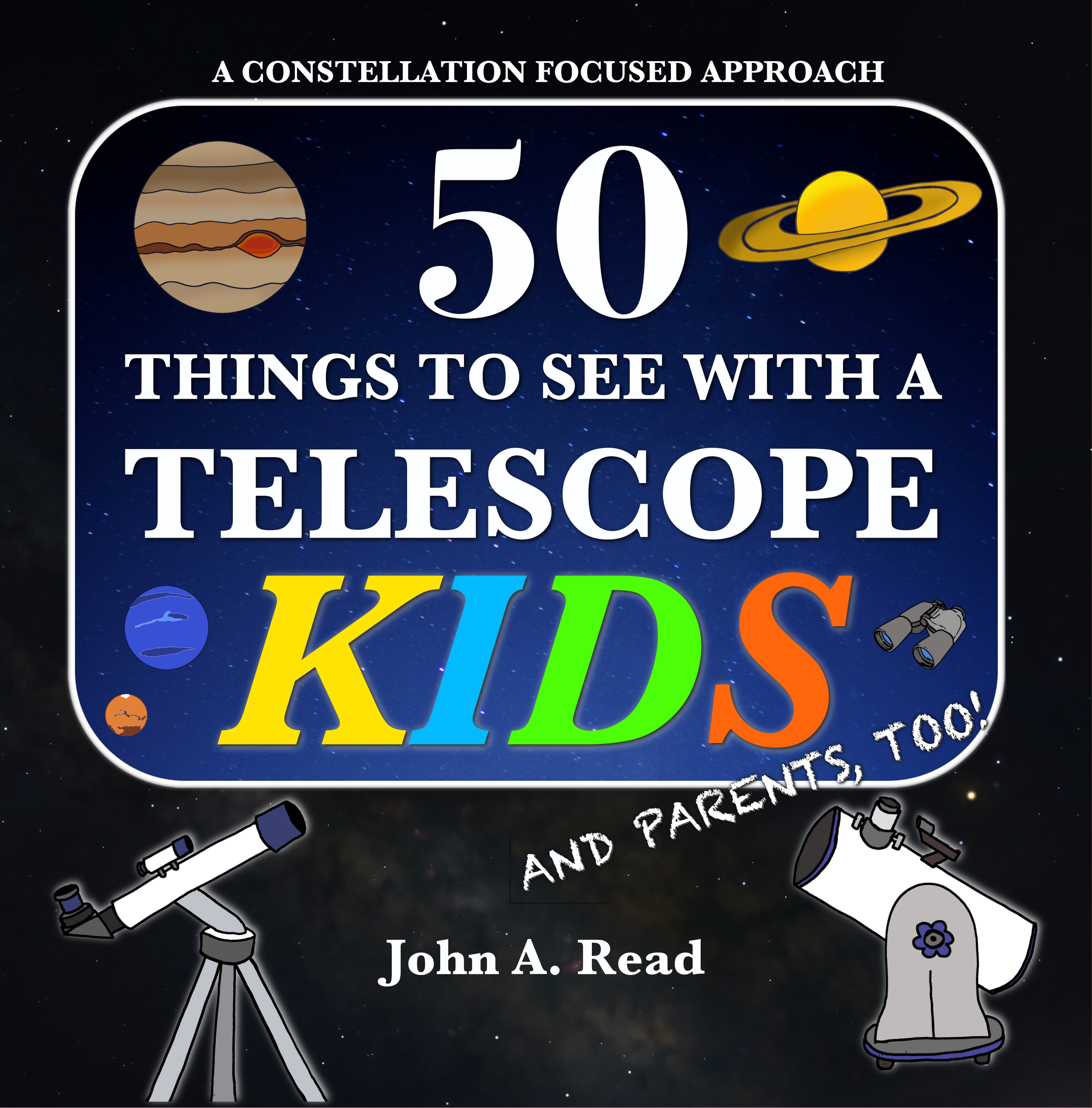
50 Things To See With a Telescope for Kids
Beginner Smart Telescopes for around $500
ZWO Seestar S50

-
All-in-one imaging
Small and portable
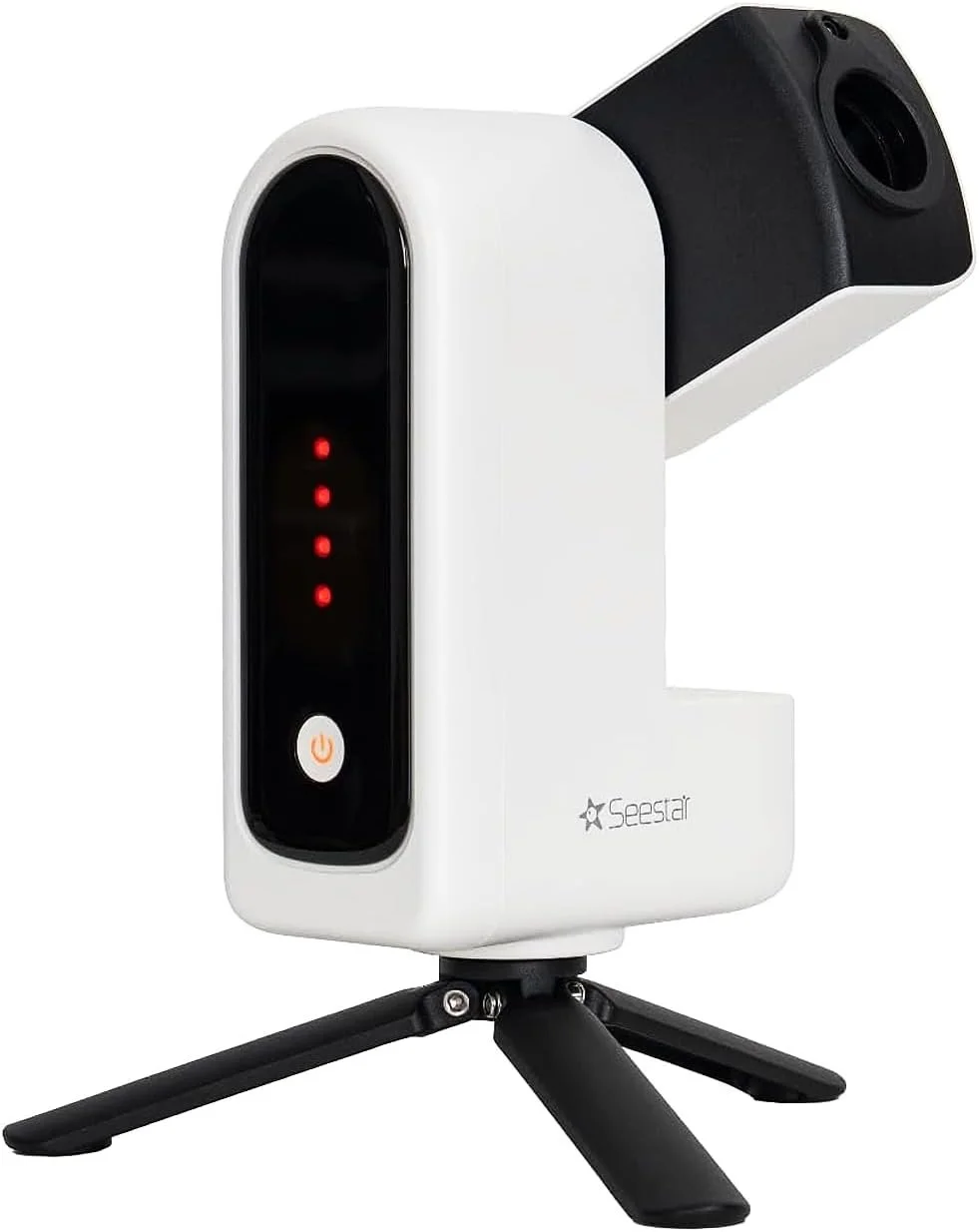
ZWO Seestar S30
-
All-in-one imaging
Small and portable
-
Fewer options that competitors
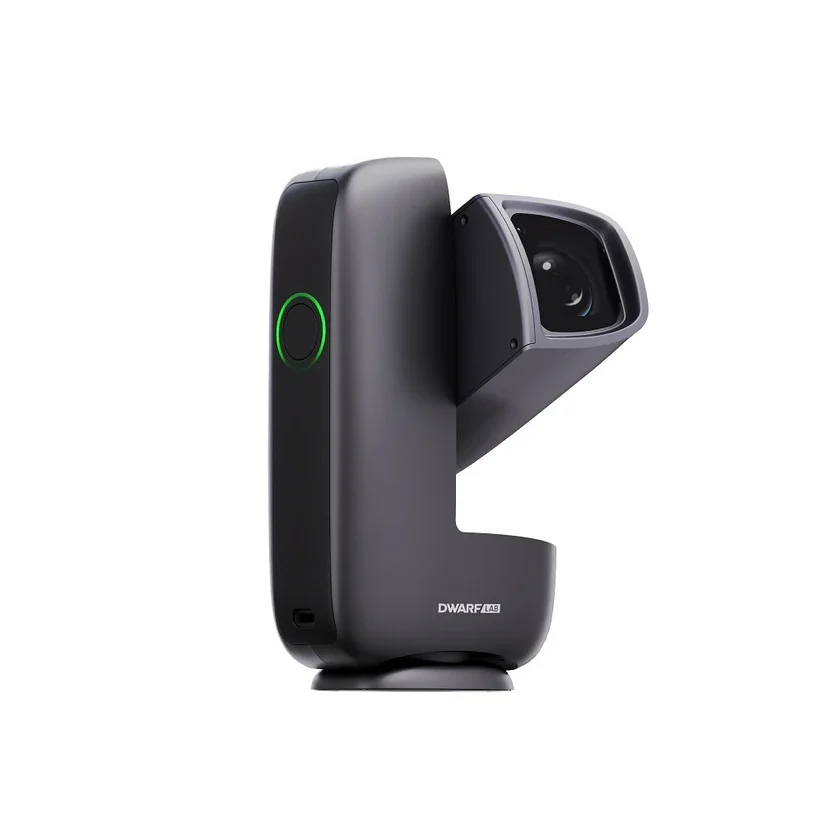
Dwarf Mini
-
All-in-one imaging
VERY Small and portable
More filters and image capture options than the Seestar
-
Less Features than Dwarf 2
Higher Learning curve than Seestar
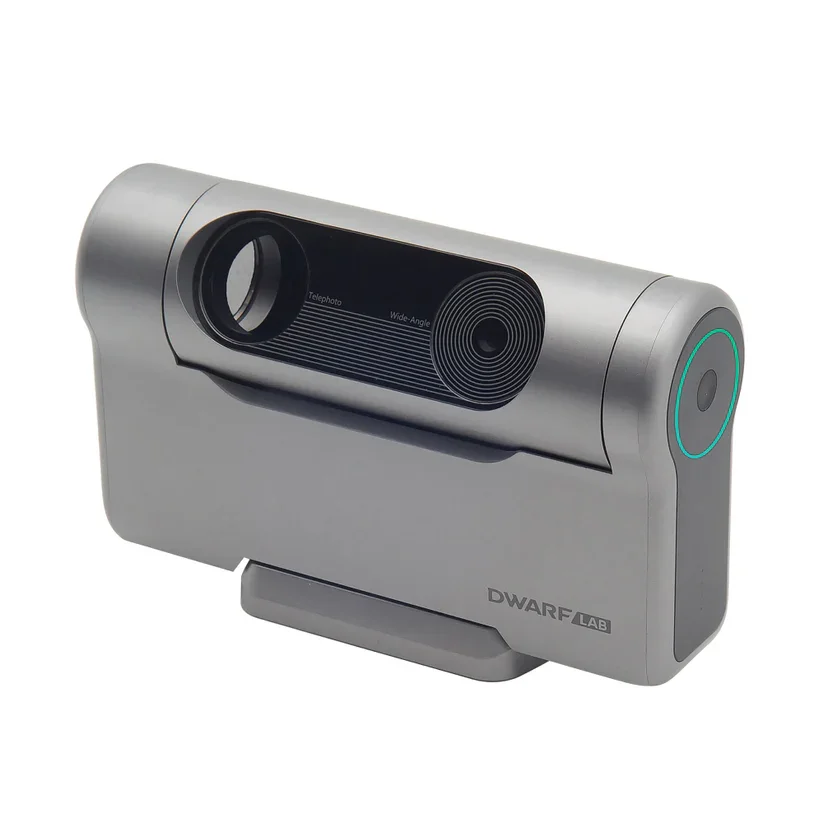
Dwarflab Dwarf 3
-
All-in-one imaging
35mm aperture
Small and portable
More filters and image capture options than the Seestar
-
No included Tripod
Higher Learning curve than Seestar
Beginner telescopes for those on a budget of about $500
StarSense Tabletop Dobsonian (114mm or 130mm)

-
Parabolic primary mirror (not bird-jones)
5 inches of aperture
-
Kellner style eyepieces (upgrade recommended)
Optics not as good as 102mm Refractor
Requires collimation before use
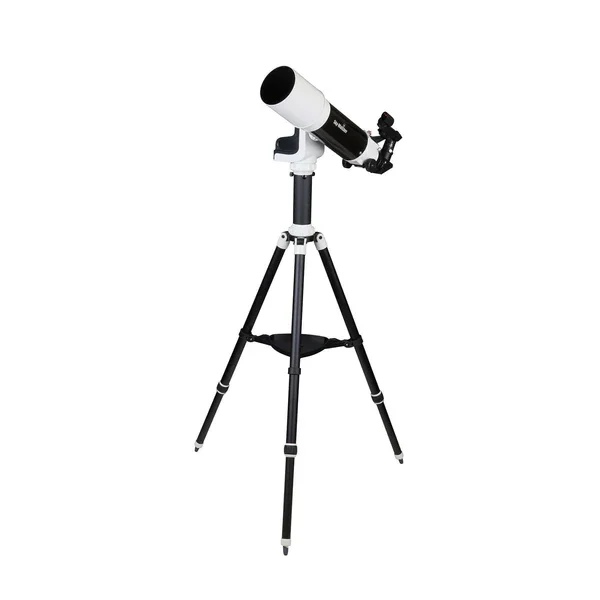
StarTravel 102 AZ-GTe
-
High Quality optics
Amazing Go-To Mount
Mount can be modified to EQ for Astrophotography
Star Diagonal, Finder, and two eyepieces included
-
Hand Controller Not Included (you controlled via an app)
Some Chromatic Aberration around bright objects like Jupiter.
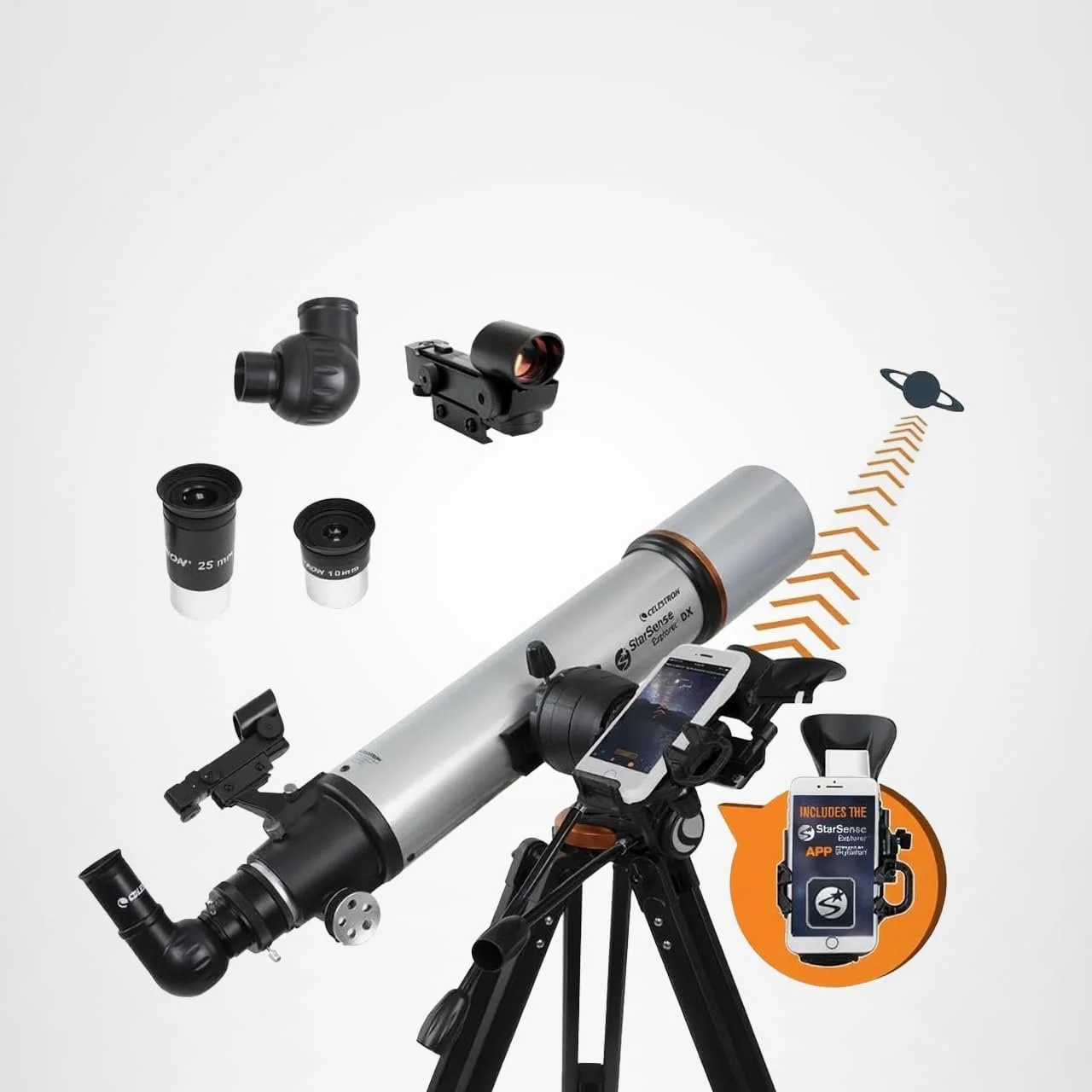
StarSense 102 DX
-
Lots.
Slow motion controls
Great optics
Starsense is really, quite a lot of fun
Can be upgraded to two inch eyepieces
-
Mount could be better, but it’s good for the price.
Beginner motorized Go-To telescopes on a moderate budget ($400-$1000)
Sky-Watcher Virtuoso GTi (130mm and 150mm versions)

-
Great Optics
Very Portable
Great for Electronically Assisted Observing
-
Eyepiece could use an upgrade.
Cannot be used for high quality astrophotography
Celestron NexStar 6se

-
Compact Go-To Rig
Amazing views of the planets and deep sky objects from dark skies
-
Not designed for Deep Sky Astrophotography
Visual Astronomy For those with a budget over $1000
Celestron Starsense Explorer 12" Dobsonian

-
High Aperture provides incredible all-around views
StarSense makes finding targets a breeze
-
Heavy
Celestron NexStar Evolution 8 or 9.25

-
All Around fantastic scope.
Great for planets
Controlled via a star map on an app
Rechargeable Internal power supply
Can be modified with a wedge for astrophotography
-
None
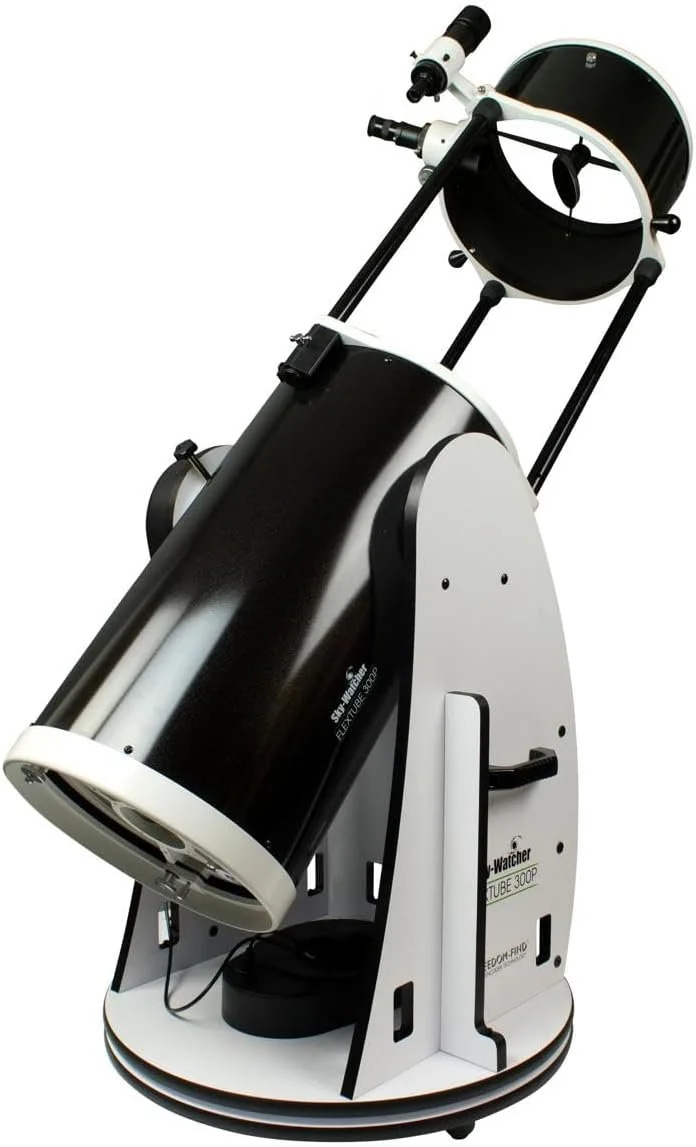
SkyWatcher Flextube Computerized Dobsonian 12-inch to 16-Inch
-
High Aperture provides incredible all-around views
SynScan makes finding targets a breeze
Tracks and Finds Targets
Collapsible
-
Heavy
Very Heavy
Note:
I own, or have owned, each telescope (or at least a variant) listed here.
This page is not sponsored by any manufacturers, but these are affiliate links.
For non-go-to telescopes for deep-sky viewing, I generally follow the: “get the largest Dobsonian you can afford” rule.
Mak telescopes provide wonderful views, but their high focal lengths make viewing large star clusters challenging. Finding deep-sky objects at high magnification is often a challenge with these telescopes when not connected to a go-to system. However, because these telescopes are quite compact, I often recommend them as portable telescopes.
Some Dobsonian telescopes have finderscopes instead of bullseye finders like Telrads or Rigel Quikfinders. If you get a Dobsonian with a finderscope, you’ll probably want to upgrade to a bullseye finder. This will make finding targets much easier.
The largest factor in determining how many deep-sky objects you will be able to observe is the darkness of your skies, not your telescope. However, based on subjective analysis, I’ve found that refractors tend to perform better under light polluted skies, compared with reflectors of similar aperture.
You may find my other buying guides useful
What TYPE of telescope should you get?
Use this flowchart to determine which type telescope is right for you by considering the following questions: Who will be using it, what are you looking at, where are you observing from, and what is your budget?
